-
AuthorCélio Pires
-
Published2023
-
CategoryDesign Systems
Handling resistance
There's always a moment where someone says "this component doesn't fit my team's flow." Most resistance is not about the component. It's about trust.
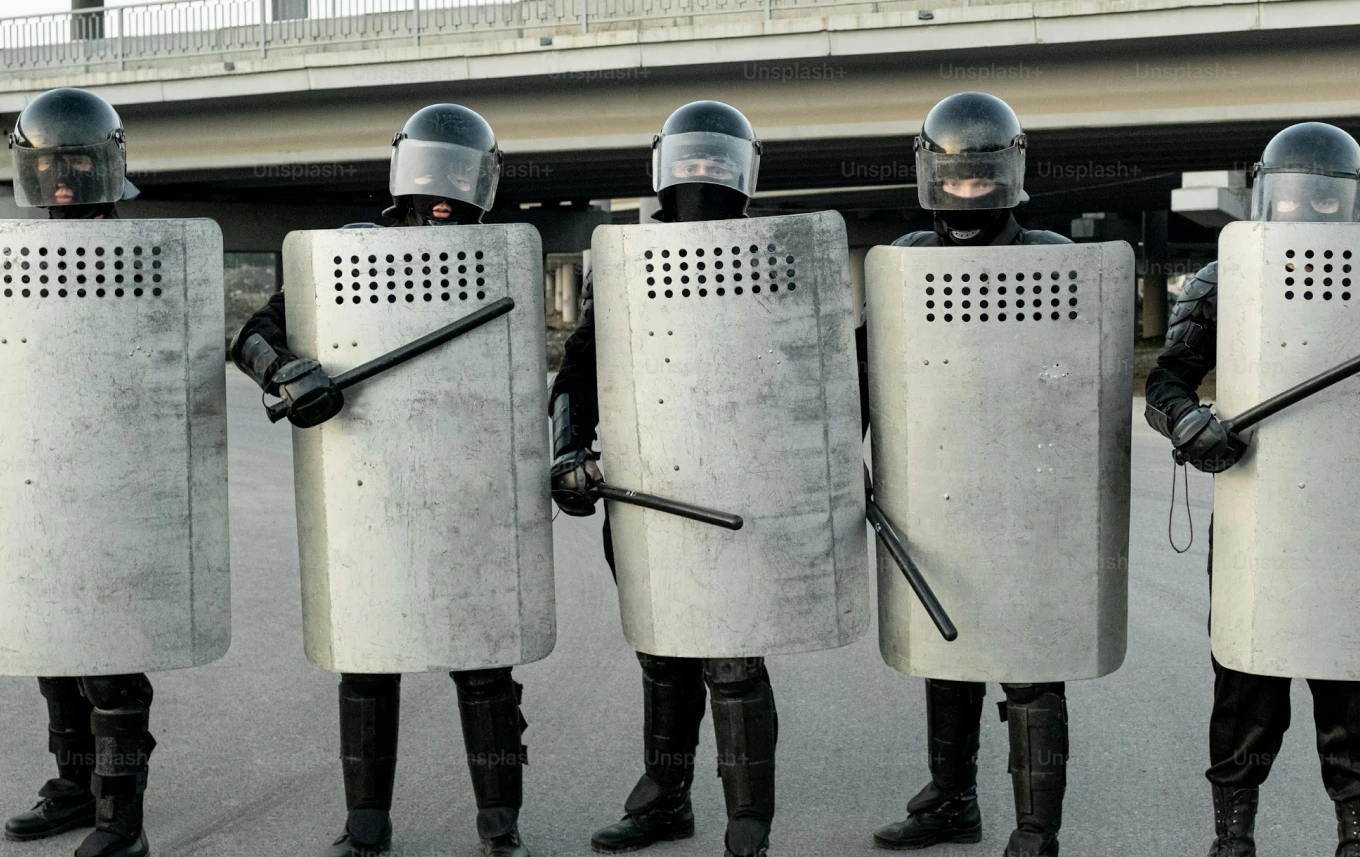
The moment of resistance
There's always a moment where someone says "this component doesn't fit my team's flow."
It happened at El Español with newsroom modules.
At Commons inside admin workflows.
At Metallicus when inputs became tricky.
I never dismissed it. I asked for the real use case. Sometimes we needed a new variant. Sometimes the flow was unusual and the system wasn't wrong, the logic was. Sometimes we just explained the reasoning behind the decision.
Real examples
Resistance showed up in different ways:
• At El Español with newsroom modules that didn't match editorial workflows
• At Commons inside admin workflows that had unique requirements
• At Metallicus when inputs became tricky in complex forms
Each case was different, but the pattern was the same: someone needed something the system didn't account for.
The approach
I never dismissed it. I asked for the real use case.
The response was always:
• listen first
• understand the actual need
• find the solution together
• explain the reasoning
Sometimes we needed a new variant. Sometimes the flow was unusual and the system wasn't wrong, the logic was. Sometimes we just explained the reasoning behind the decision.
Solutions
The fix depended on the problem:
• Sometimes we needed a new variant to handle the edge case
• Sometimes the flow was unusual and the system wasn't wrong, the logic was
• Sometimes we just explained the reasoning behind the decision
Not every request meant changing the system. Sometimes it meant helping people see how it could work for them.
Trust
Most resistance is not about the component. It's about trust.
When someone says "this doesn't work" they're often saying "I don't trust this will work for me." The moment you include people in the fix they switch from resisting the system to defending it.
They become advocates. They help others. They keep the system alive.
What I learned
There's always a moment where someone says "this component doesn't fit my team's flow."
Most resistance is not about the component. It's about trust.
The moment you include people in the fix they switch from resisting the system to defending it. When people feel heard and see their needs addressed, they become the system's strongest advocates. They help others understand it. They keep it relevant.
Resistance isn't a problem to solve. It's an opportunity to build trust.
Latest Articles
Insights and learnings from building design systems across different products and teams.View all articles